Video A10s · 1280 × 720
Clean generation
31/35No faults found beyond a quiet background
Follows the prompt. Physics hold, movement and anatomy are correct. A few small inconsistencies around the ball. The background is plain and unnaturally quiet.
Example project 01 · AI Evaluation
Two clips generated from one prompt, watched end to end and scored against a rubric the client sets. They agree on four criteria out of seven and part company on three. In a thumbnail both look fine; against the rubric, one of them falls apart.
“A photorealistic golden retriever is standing in a green grassy park on a sunny afternoon. The dog is positioned approximately in the centre of the frame. A red tennis ball is thrown gently from off-camera on the right.”Both clips were generated from this single prompt. It asks for one ball, thrown once.
How accurately does the video follow the original prompt?
Sharpness, lighting, composition, textures, overall appeal.
Are objects, characters and backgrounds consistent throughout?
Are movements, transitions and physical interactions believable?
Glitches, distortions, flickering, morphing, duplication.
Does the sequence hold together from beginning to end?
How polished, professional and usable is the output?
This rubric is an example, not a fixed list. Yours is agreed with you before any reviewing starts: add criteria, drop them, reword them, weight the ones that matter, and set the score that counts as a pass. Brand compliance, accessibility, likeness, safety — whatever your output has to satisfy.
Side by side
Same prompt, same model, same settings. Press play on either one.
No faults found beyond a quiet background
Follows the prompt. Physics hold, movement and anatomy are correct. A few small inconsistencies around the ball. The background is plain and unnaturally quiet.
Duplicated objects and broken motion
Follows the prompt. Motion glitches throughout and the ball’s physics are wrong. The dog shows anatomical defects while moving. Multiple balls appear.
Scores are from the review of these two clips, not an estimate. Four criteria are identical; motion realism, artefacts and overall quality separate them by two points each.
The evidence
Every score traces back to something a reviewer can point at, with a timestamp.
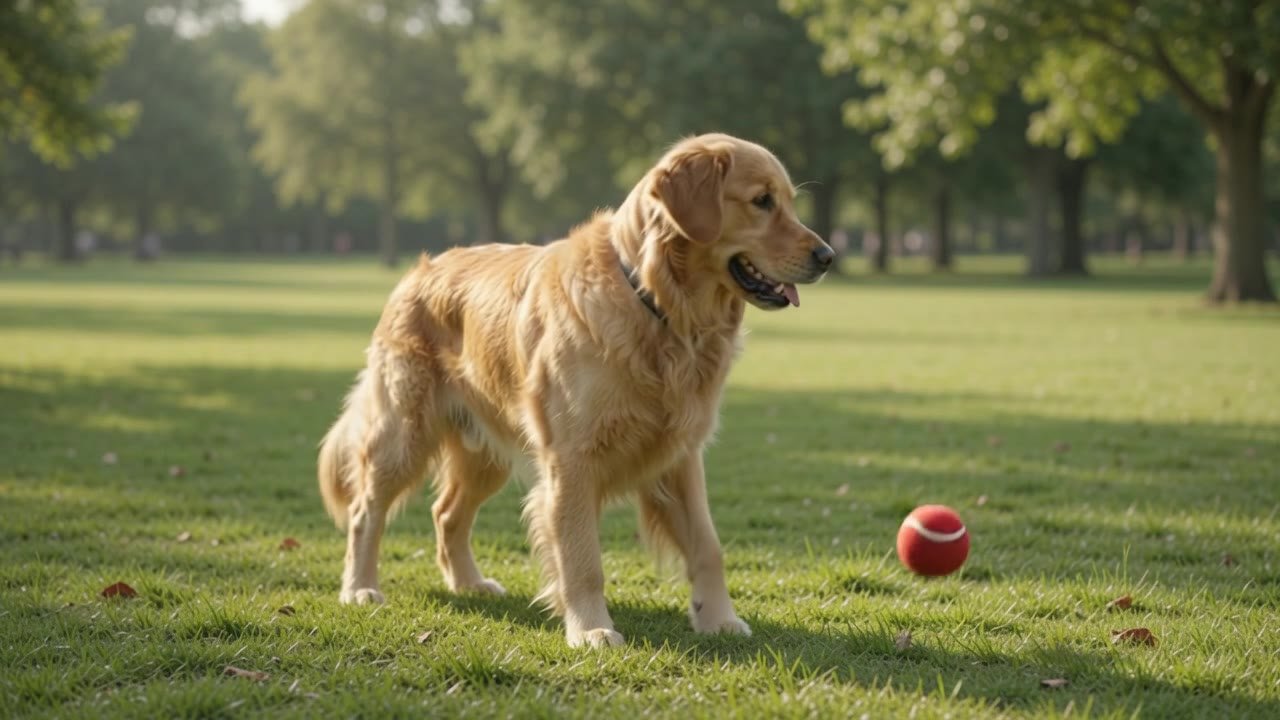 09.9s
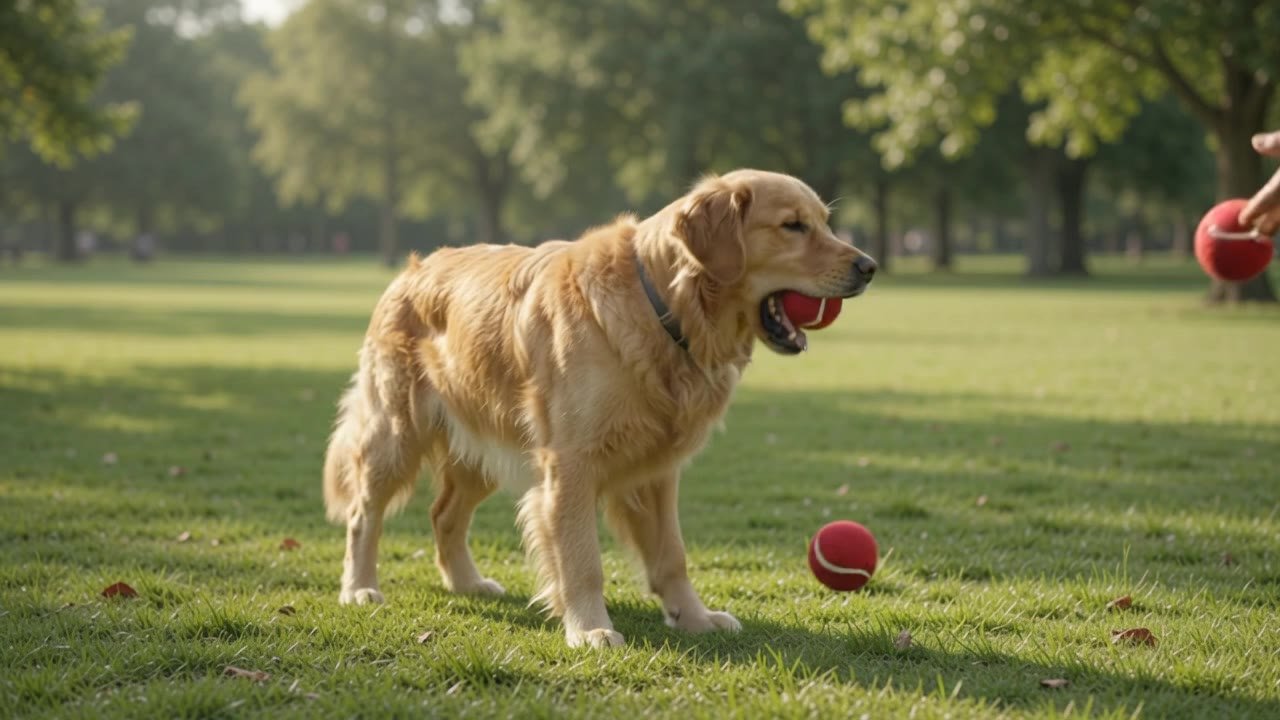 10.4s
Half a second apart
One ball on the grass. Half a second later the dog is holding a ball, the first is still lying there, and a hand holding a third enters at the right edge. The dog has not moved.
Criterion 05 · scored 1
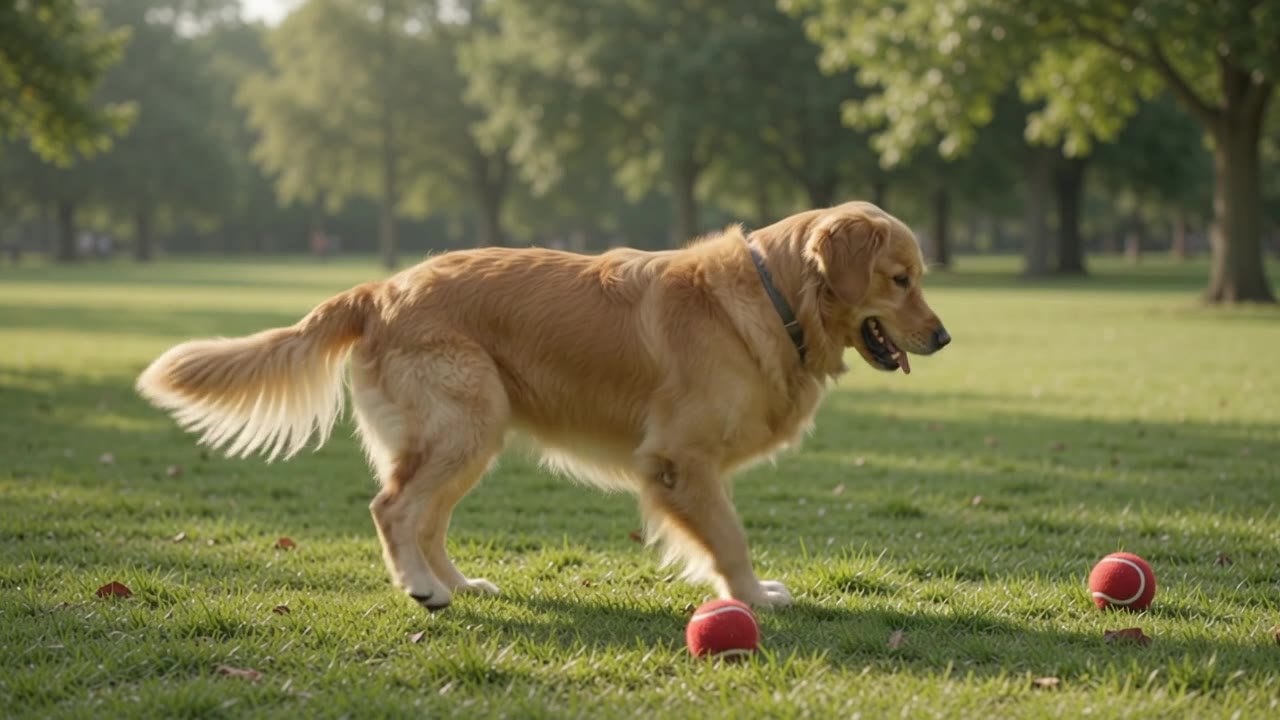 13.4s
Two balls, one throw
Both balls sit on the grass at the same time, three seconds after the duplication first appears. Nothing in the prompt introduces a second ball.
Criterion 05 · scored 1
Only visible in motion
Two further faults do not show in a frame. The ball’s bounce does not follow from its fall, and the dog’s rear legs pass through each other as it turns.
A still cannot carry either one. Both were marked while watching the clip, which is why video review is done by a person rather than a frame checker.
Criterion 04 · scored 2
What you get
Your criteria, written down plainly enough that two reviewers reach the same verdict.
Every output rated 1–5 on each line, with the totals and the gaps between candidates.
Timestamps and frames for each fault, so a score can always be traced back to what was seen.
Which outputs are usable, which are not, and the faults worth fixing upstream.
A pair makes the method easy to see. The same rubric runs across a batch of hundreds, with the same scores, the same evidence and the same reviewers.
Next step