Example project 02 · AI Evaluation

Looks right until you look closely.

Two product shots from one prompt. At a glance both could run. Held against the rubric and compared side by side, one of them comes apart: the light on the bezel stops behaving like metal, and the case, strap and stand lose their shape.

  • Image review
  • Scoring rubric
  • Human reviewers
  • Side by side
The prompt

“Photorealistic luxury wristwatch on a wooden stand, dark studio background, cinematic lighting, minimalist premium product photography.”Both images were generated from this single prompt. Nothing about the brief asks for a deformed case or a split stand.

The rubric · 7 criteria, scored 1–51 very poor · 3 acceptable · 5 excellent
  1. 01

    Prompt adherence

    How accurately does the image represent the prompt?

  2. 02

    Visual quality

    Sharpness, resolution, lighting, colour balance, composition.

  3. 03

    Anatomical accuracy

    Correct proportions, features, hands, limbs, body structure.

  4. 04

    Object consistency

    Object shapes, textures, positioning and physical detail.

  5. 05

    Artefact and defect detection

    Distortions, glitches, unnatural textures, duplication, rendering errors.

  6. 06

    Composition and spatial accuracy

    Position, perspective, depth, scale, relationships.

  7. 07

    Realism and aesthetic quality

    Natural appearance, coherence, professional finish.

Yours to set

This rubric is an example, not a fixed list. Yours is agreed with you before any reviewing starts: add criteria, drop them, reword them, weight the ones that matter, and set the score that counts as a pass. Brand compliance, accessibility, likeness, safety — whatever your output has to satisfy.

Side by side

The two candidates.

Same prompt, same model, same settings. Shown at full width before anything is marked, because that is how a client first sees them.

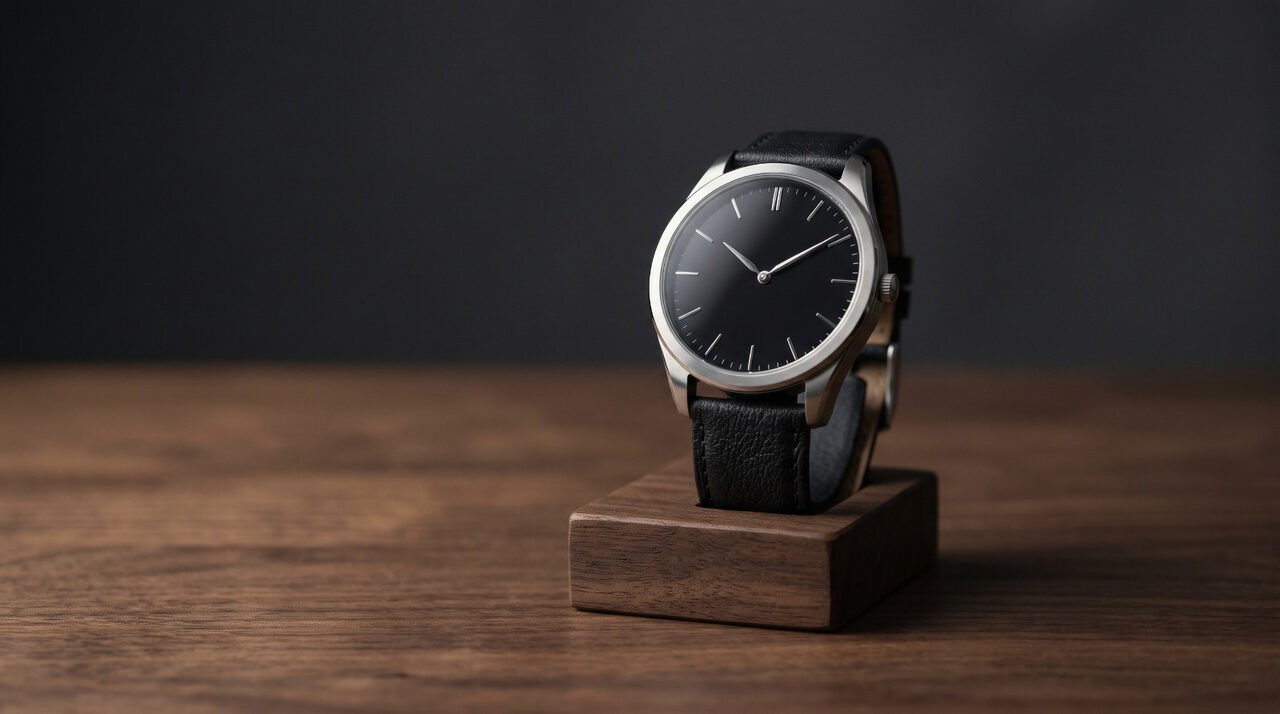
Image AImage A, clean generation1600 × 893

Clean generation

34/35

No faults found; realism marked down for being too clean

Consistent with the prompt, with good visual quality and object consistency. Realism marked slightly down: it is a little too clean, with none of the small imperfections a real photograph would carry.
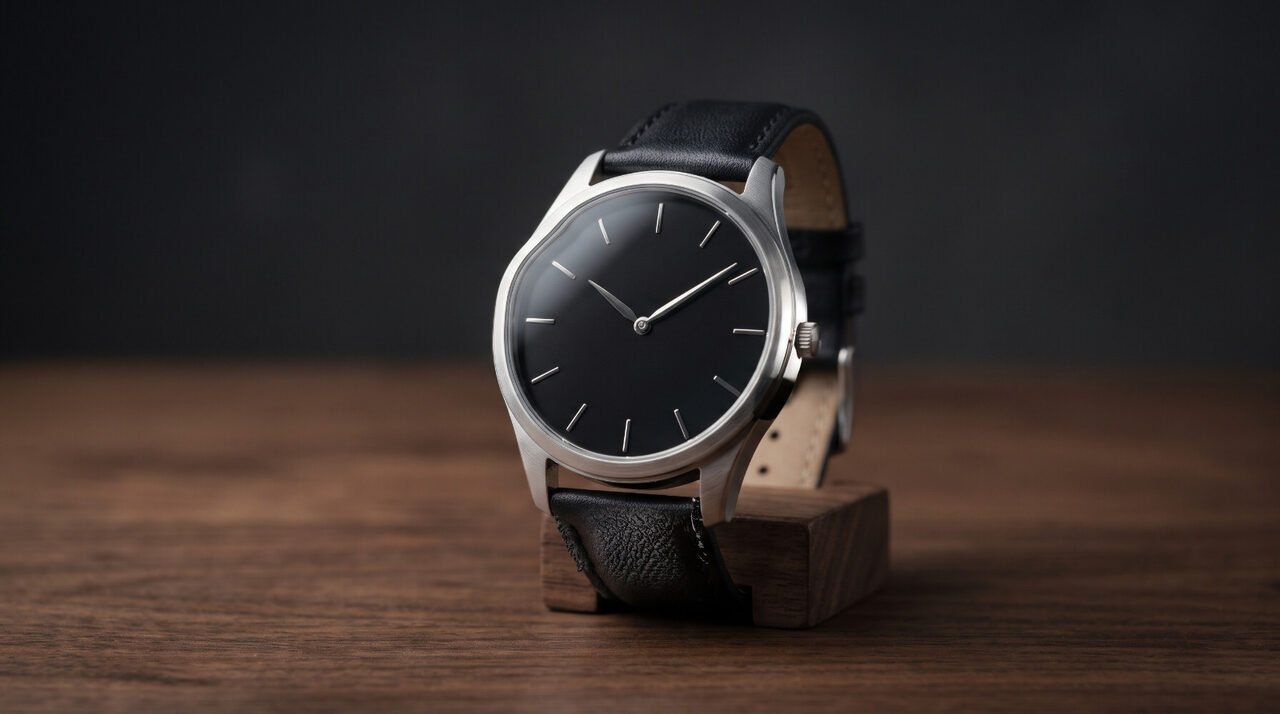
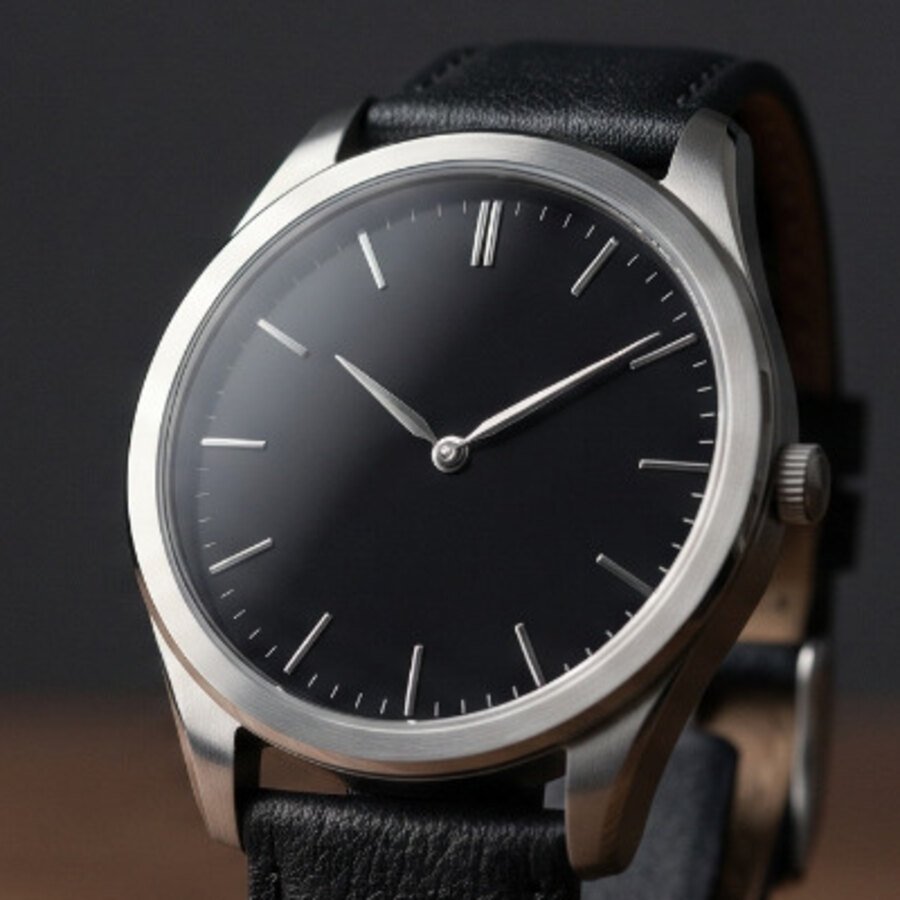
Image BImage B, defects present1600 × 893

Defects present

25/35

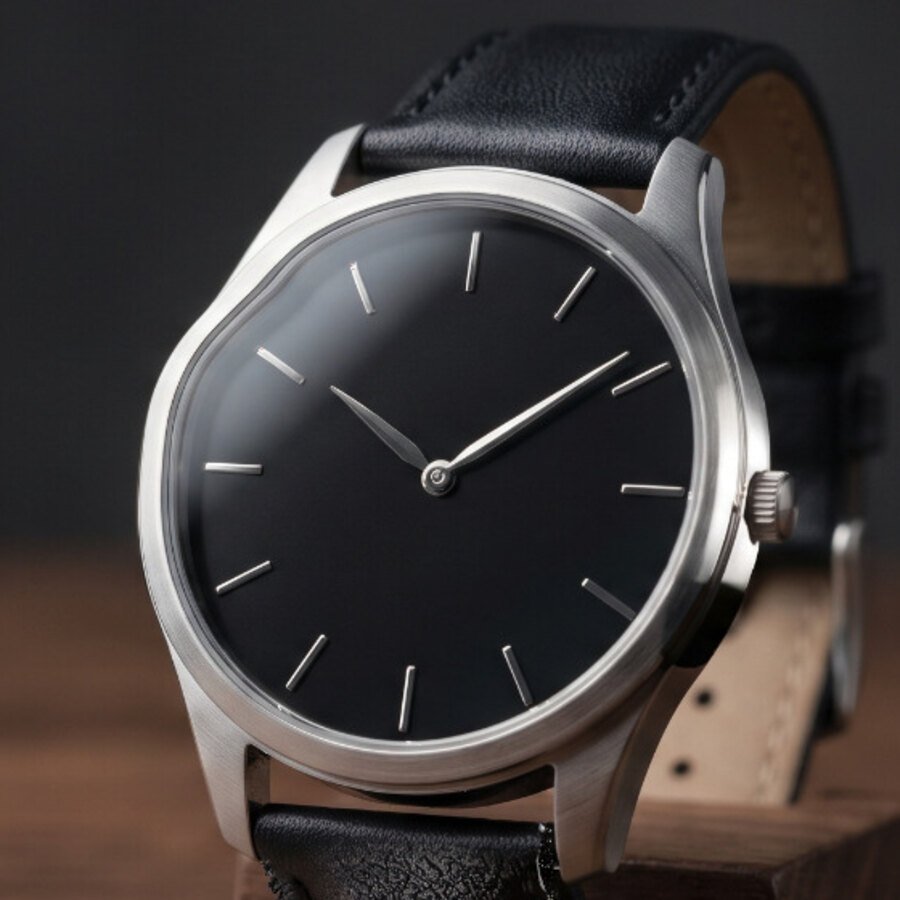
Bezel lighting, case shape, strap and stand

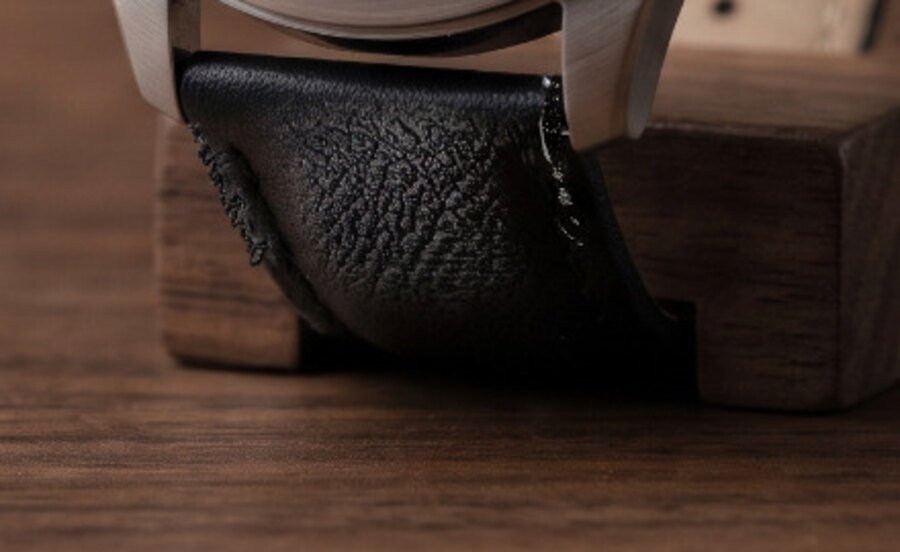
Consistent with the prompt. Obvious defects in the way light falls on the bezel, and the case, strap and stand do not hold their shape.

CriterionImage AImage BGap
01Prompt adherence55—
02Visual quality53−2
03Anatomical accuracy55—
04Object consistency53−2
05Artefact and defect detection52−3
06Composition and spatial accuracy55—
07Realism and aesthetic quality42−2
Total34/3525/35−9

Scores are from the review of these two images, not an estimate. Three criteria are identical. Visual quality, object consistency and realism each drop two points, and artefact detection drops three.

The evidence

Why Image B lost nine points.

Each fault shown against the same region of Image A, at the same scale, so the comparison does the arguing.

Image A, the caseImage A
Image B, the caseImage B

The case and bezel

Image A holds a clean circle: even bezel width, a crisp minute track, regular markers and a properly formed crown. In Image B the case is not round, the bezel swells and pinches as it travels, the minute track is gone, the markers are uneven and the lower lug ends in mid-air. The highlight no longer reads as light on steel.

Criteria 02, 04, 05 and 07

Image A, the strap and standImage A
Image B, the strap and standImage B

The strap and the stand

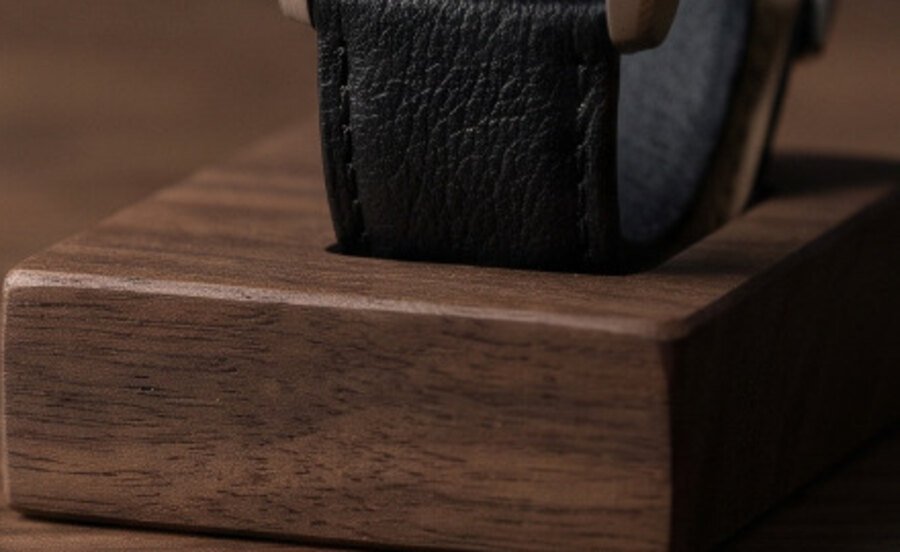
In Image A, one solid block with a slot cut for the strap and stitching along the edge. In Image B the strap is a hollow shell, torn down one side and cut flat on the other, and the stand has become two mismatched pieces with the table showing through beneath.

Criteria 04 and 05

What you get

Four things, every run.

The rubric

Your criteria, written down plainly enough that two reviewers reach the same verdict.

A score per criterion

Every output rated 1–5 on each line, with the totals and the gaps between candidates.

The evidence

A close crop of each fault beside the same region of the other candidate, so a score can always be traced back to what was seen.

A plain verdict

Which outputs are usable, which are not, and the faults worth fixing upstream.

A pair makes the method easy to see. The same rubric runs across a batch of hundreds, with the same scores, the same evidence and the same reviewers.

Next step

Got a task that eats up your week?